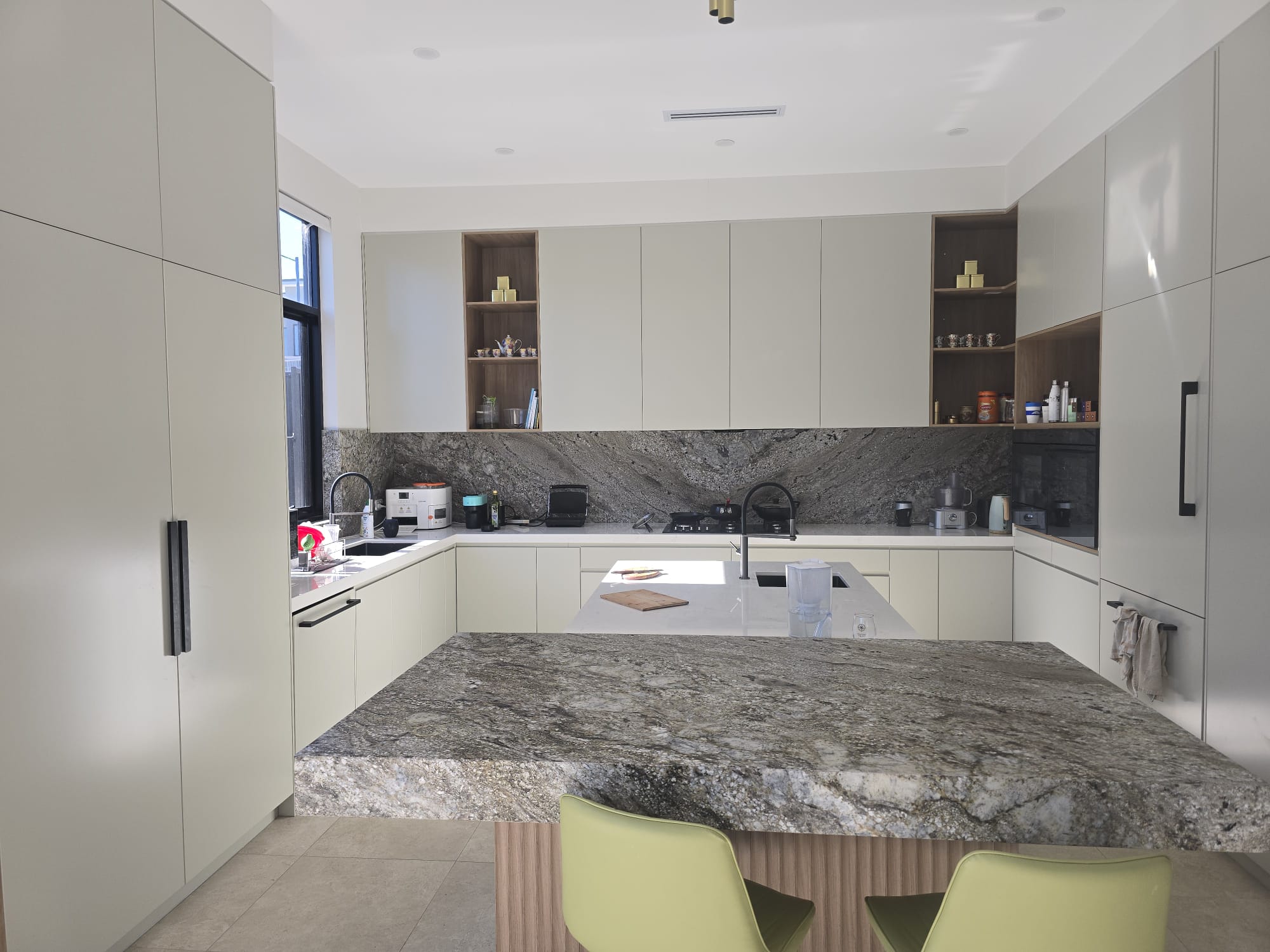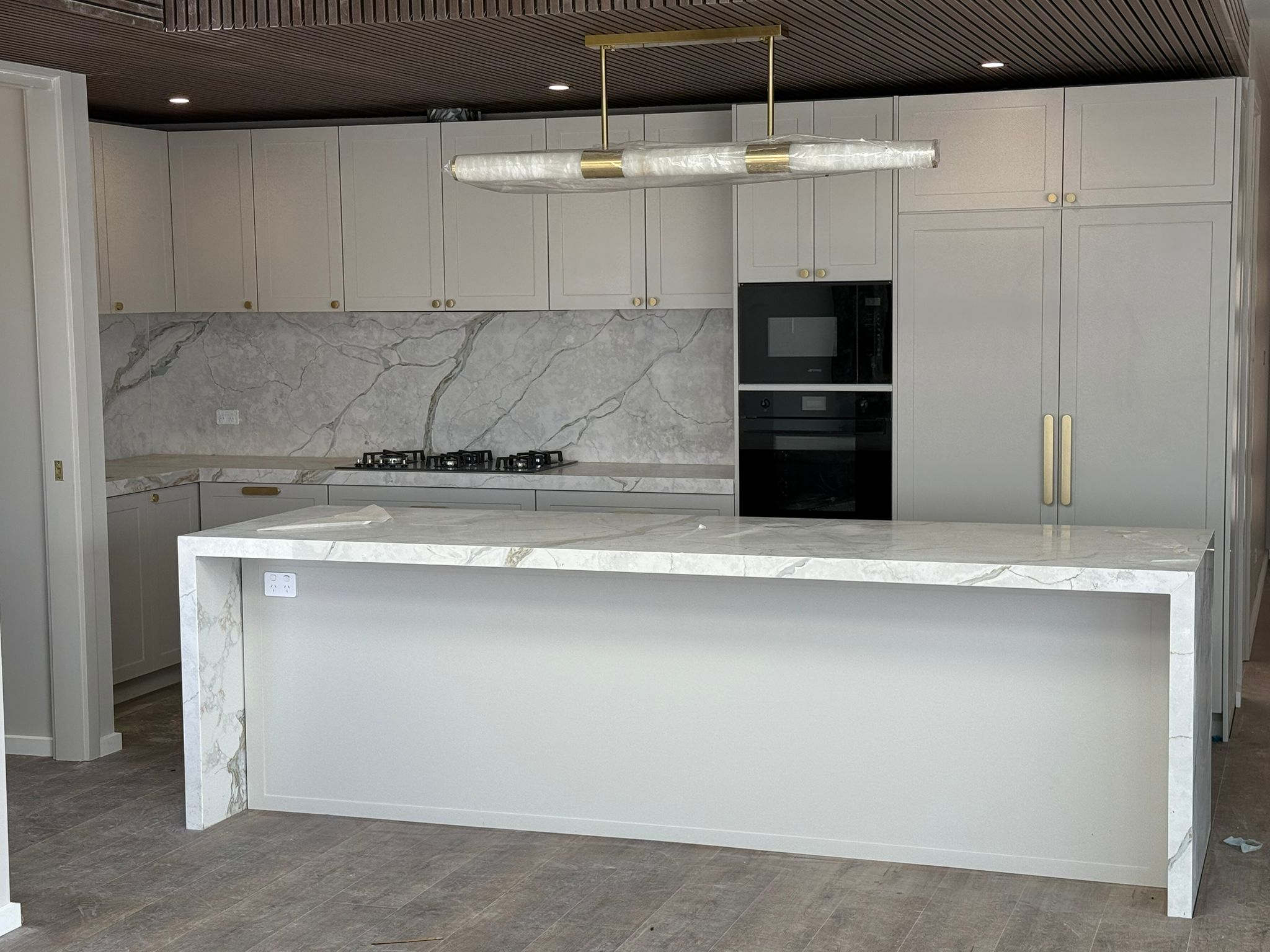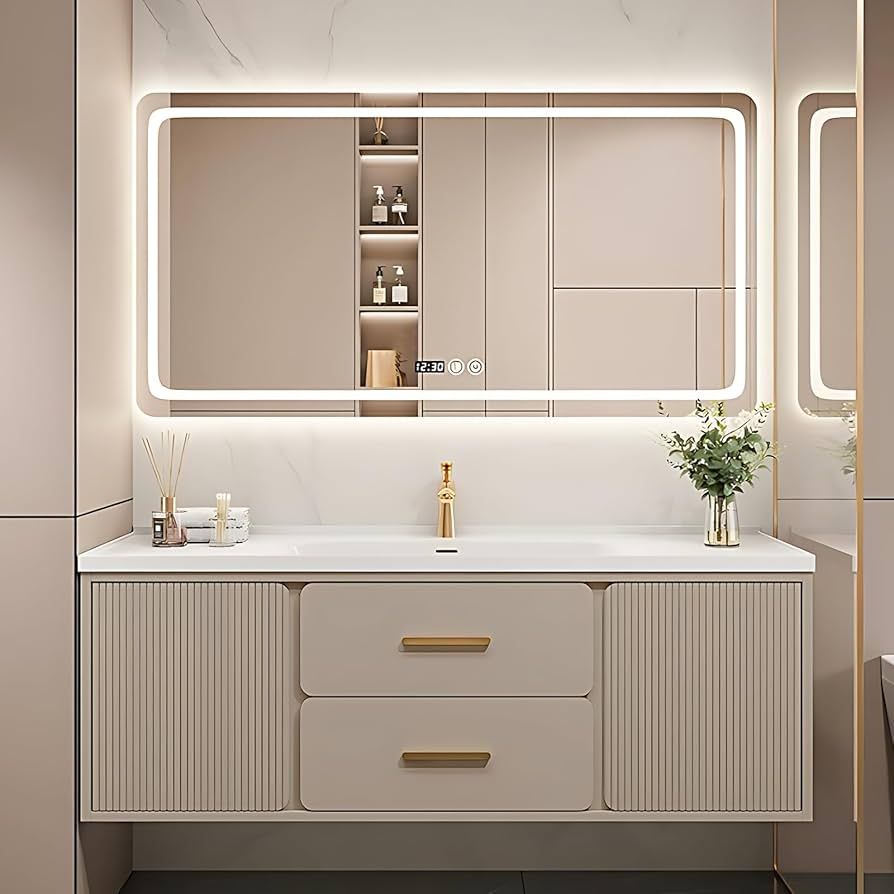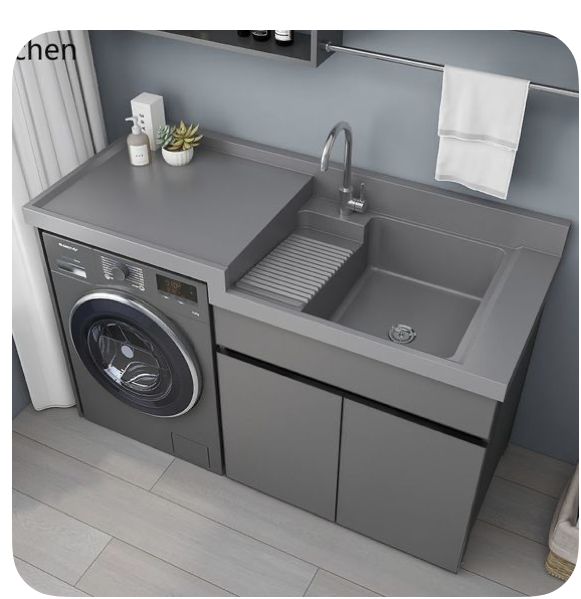
Custom joinery can transform your home by combining practical storage, thoughtful design and a finish that complements your interior. Whether you are planning a new kitchen, upgrading your wardrobes, redesigning your laundry or creating a functional home office, custom cabinetry allows you to make better use of your available space.
However, ordering custom joinery involves more than choosing cabinet colours and handles. Room dimensions, storage requirements, materials, functionality, budget and installation timelines all influence the final result.
Understanding these factors before placing an order can help you avoid costly changes and ensure your cabinetry meets your expectations.
In this guide, we explore what to consider before ordering custom joinery and how careful planning can help you create a practical, attractive and long-lasting interior.
1. Understand Your Space and Measurements
Accurate measurements are essential when planning custom joinery. Unlike standard furniture, custom cabinets are manufactured to suit the dimensions and requirements of a particular space.
Before finalising your design, consider the room’s width, height, depth, ceiling levels, windows, doors and existing fixtures. Plumbing connections, electrical outlets and structural features can also influence where cabinetry can be installed.
For example, a kitchen design must accommodate appliances, benchtops and sufficient clearance for cabinet doors and drawers. A built-in wardrobe needs to fit the available wall space without obstructing doors or access points.
Professional site measurements help identify potential issues before manufacturing begins.
Tip: Finalise the room layout and confirm important dimensions before approving your custom joinery plans.
2. Define Your Storage Requirements
One of the biggest advantages of custom joinery is the ability to design storage around your lifestyle.
Before choosing a cabinet layout, think about what you need to store and how frequently you use each item.
For kitchen cabinetry, you might need dedicated space for cookware, pantry items, small appliances and recycling bins. In a home office, you may require drawers for documents, shelves for books and concealed compartments for electronic equipment.
Consider these questions:
- What items need to be stored?
- Which belongings should remain easily accessible?
- Would drawers or shelves be more practical?
- Do you need concealed storage to reduce visual clutter?
- Could unused corners or vertical space be better utilised?
A well-planned storage layout makes everyday activities easier and helps prevent clutter from accumulating.
3. Choose Materials That Suit the Room
The materials used for custom cabinetry influence its appearance, durability, maintenance requirements and overall cost.
Different rooms have different environmental demands. Kitchen cabinets experience frequent handling, while bathroom and laundry cabinetry may be exposed to moisture and humidity.
Common cabinetry options include:
- Melamine: A practical surface option available in a range of colours and finishes.
- Polyurethane finishes: Can provide a smooth, painted appearance in a variety of colours.
- Timber veneer: Offers the natural appearance of timber.
- Solid timber: Can provide a distinctive natural finish, depending on the application and design.
- Laminate finishes: Offer a broad selection of decorative surfaces for different interior styles.
The most suitable material depends on your design preferences, budget, intended use and maintenance expectations.
For wet areas, ask your joinery provider about moisture-appropriate substrates, suitable finishes and installation details. No cabinetry material should be assumed to be completely waterproof.
4. Establish a Realistic Custom Joinery Budget
Before ordering custom joinery, determine how much you can comfortably invest in the project.
The total cost depends on several factors, including cabinet dimensions, material selection, design complexity, hardware, internal accessories, finishing and installation requirements.
For example, a simple wardrobe with standard shelving may cost less than a floor-to-ceiling design featuring specialised drawers, integrated lighting and premium finishes.
When reviewing a quote, check whether it includes:
- Design and planning
- Materials and finishes
- Cabinet hardware
- Internal storage accessories
- Manufacturing
- Delivery
- Installation
- Site preparation
- Any applicable additional work
Comparing quotes based on their inclusions can help you understand the value being offered rather than choosing solely on price.
It is also sensible to allow room in your overall renovation budget for unexpected work or changes outside the original joinery scope.
5. Prioritise Functionality Over Appearance Alone
Beautiful cabinetry can improve the appearance of a room, but functionality should remain a priority.
Think about how you will use the space every day before deciding on the final design.
For a kitchen, consider bench space, drawer accessibility and the relationship between the sink, cooktop and refrigerator. For a wardrobe, consider hanging lengths, shoe storage, drawers and how much room you need for seasonal clothing.
For a home office, useful features might include an integrated desk, concealed cable management, printer storage and adjustable shelving.
Custom joinery should support your routine rather than simply look attractive.
A practical design combines suitable dimensions, accessible storage and finishes that complement the rest of your home.
6. Select Hardware and Internal Accessories Carefully
Cabinet handles, hinges, drawer runners and internal accessories can have a significant impact on everyday usability.
Although these details may seem minor, they influence how smoothly cabinets operate and how conveniently you can access stored items.
Depending on your requirements, consider:
- Soft-close hinges and drawer runners
- Pull-out pantry systems
- Drawer dividers
- Adjustable shelving
- Integrated waste bins
- Wardrobe organisers
- Pull-out laundry hampers
- Concealed cable management
Choose accessories based on their practical benefits and how frequently they will be used.
You do not necessarily need every available feature. Prioritising the accessories that solve real storage problems can help you manage costs while creating a more functional result.
7. Coordinate Joinery With Your Interior Design
Custom cabinetry should complement the overall appearance of your home.
Before selecting colours and finishes, consider your flooring, wall colours, benchtops, lighting, furniture and existing architectural features.
For a contemporary interior, simple cabinetry with clean lines and minimal hardware may work well. A warmer design might incorporate timber-look finishes, natural textures and complementary colours.
Consistency is particularly important when several rooms are being renovated together.
For example, coordinating cabinetry finishes across a kitchen, pantry and laundry can create a more cohesive interior without requiring every room to look identical.
Request material samples where possible so you can compare finishes under the lighting conditions in your home.
8. Understand the Design, Manufacturing and Installation Timeline
Custom joinery requires planning, manufacturing and installation, so it is important to establish a realistic timeframe.
The schedule can depend on design complexity, material availability, manufacturing requirements, site readiness and coordination with other trades.
Before confirming your order, ask your joinery provider about:
- Design approval deadlines
- Final measurement requirements
- Material lead times
- Manufacturing estimates
- Delivery arrangements
- Installation scheduling
- Site preparation requirements
If your cabinetry is part of a larger renovation, coordinate installation with your builder or project manager.
Plumbing, electrical work, flooring, painting and benchtop installation may need to occur in a particular sequence. Confirming these details early can help reduce avoidable delays.
9. Check the Design Before Approving Manufacturing
Once manufacturing begins, changes to an approved design may be expensive or difficult to accommodate.
Before signing off on your custom joinery plans, review the drawings and specifications carefully.
Confirm the cabinet dimensions, layout, storage configuration, finishes, hardware, appliance openings and any integrated features.
Make sure the design reflects your actual requirements rather than relying on assumptions.
It is also worth confirming how design changes will be handled, what is included in the quote and what warranty or after-installation support is provided.
Taking time to review these details can help prevent misunderstandings later.
10. Choose an Experienced Joinery Provider
The quality of your custom cabinetry depends on more than the materials selected. Design expertise, manufacturing quality, installation accuracy and communication all contribute to the final result.
Before choosing a joinery provider, review previous projects and look for experience relevant to your requirements.
Ask questions about materials, construction methods, installation, project scheduling and the process for addressing problems.
A clear written quote and well-defined scope of work can also help establish expectations.
Choosing a provider who understands your space and storage requirements makes it easier to develop a solution that balances appearance, functionality and budget.
Transform Your Home With Custom Joinery From RIK Joinery
Ordering custom joinery is an opportunity to create cabinetry that suits your home rather than compromising with standard dimensions and layouts.
By considering measurements, storage, materials, budget, functionality and installation requirements before placing your order, you can make more informed decisions and achieve a result that supports your everyday lifestyle.
At RIK Joinery, we provide custom joinery solutions for kitchens, pantries, laundries, bathroom vanities, wardrobes, home offices and living spaces.
Whether you are renovating a single room or planning a broader interior transformation, thoughtful cabinetry design can help maximise available space and create a cohesive finish.
Planning a custom joinery project in Canberra? Contact RIK Joinery to discuss your requirements and explore a solution tailored to your home.