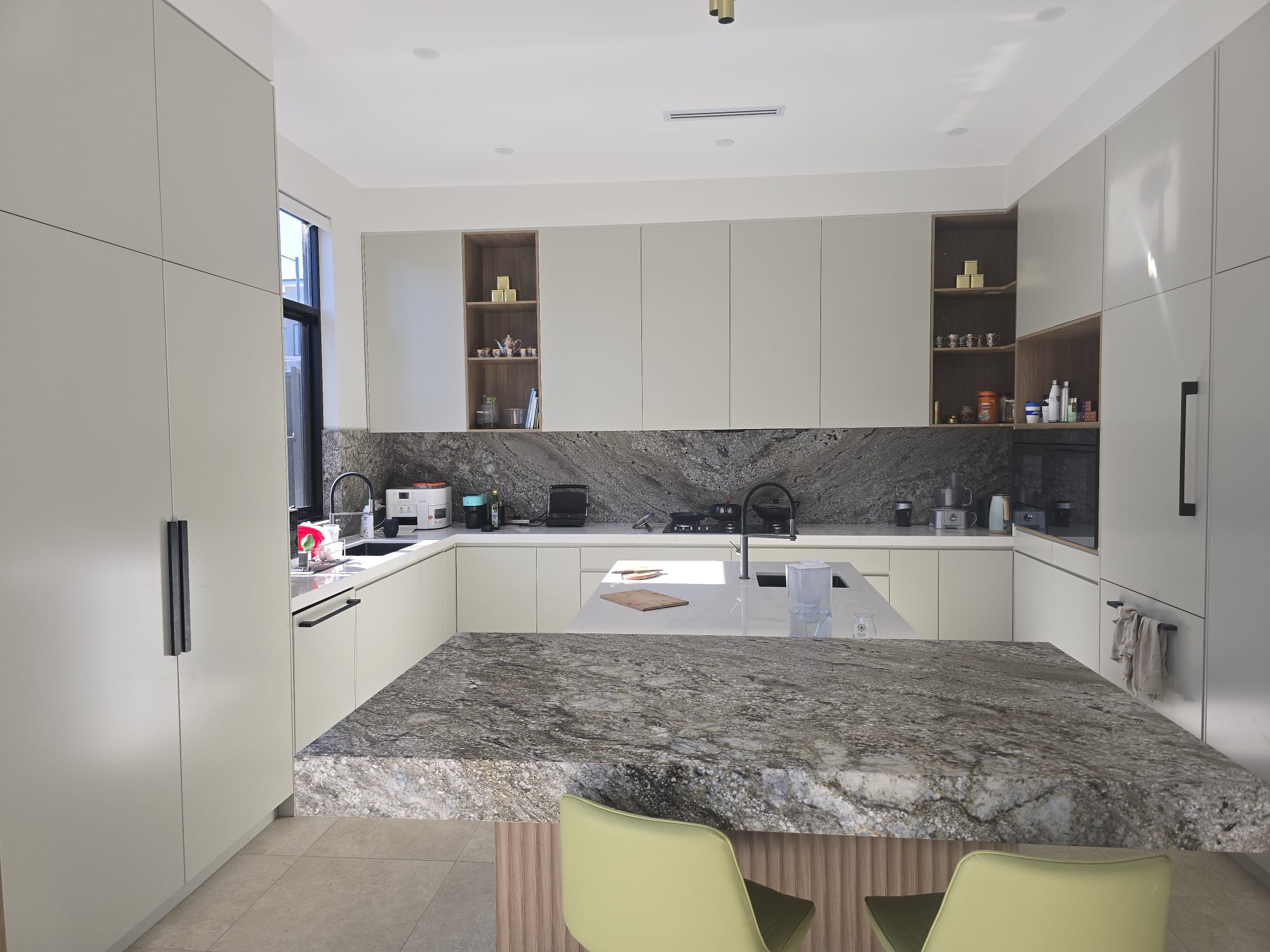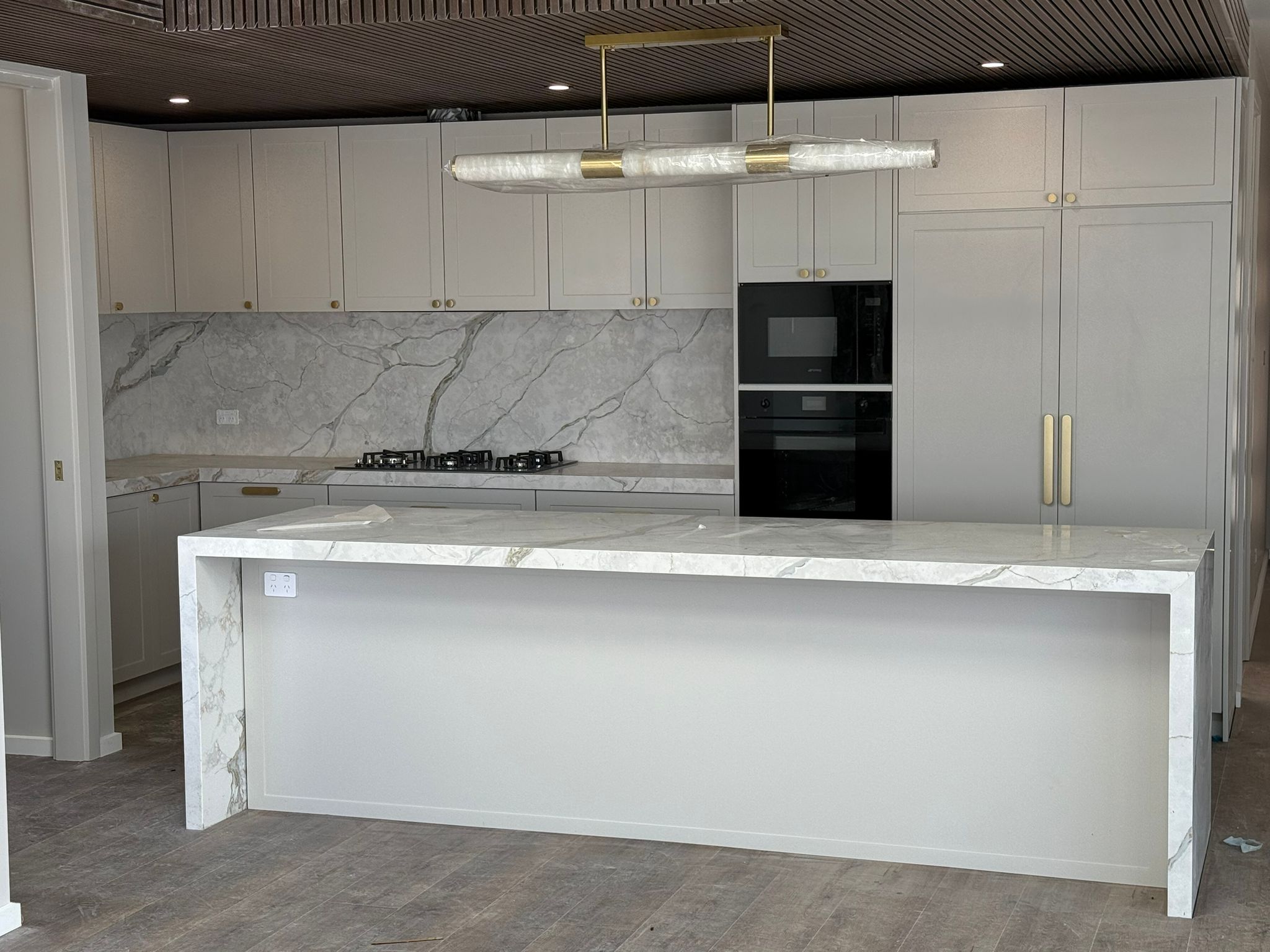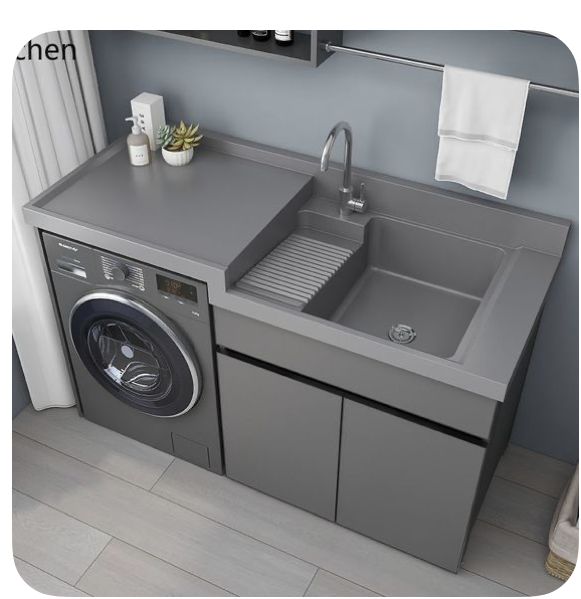
A home renovation can transform the way you live, improve functionality and give outdated spaces a completely new look. But without careful planning, even an exciting renovation can become expensive, stressful and difficult to manage.
From underestimating renovation costs to choosing finishes before finalising the layout, small decisions can create bigger problems later. The good news is that most common home renovation mistakes are avoidable when you understand where projects tend to go wrong.
Whether you are planning a kitchen renovation, bathroom upgrade, laundry makeover, wardrobe installation or a broader interior transformation, knowing what to avoid can help you make better decisions from the beginning.
Here are the biggest home renovation mistakes homeowners should watch out for.
1. Starting Without a Clear Renovation Plan
One of the most common home renovation mistakes is beginning work before the project has been properly planned.
It is tempting to start choosing tiles, cabinetry, colours and appliances immediately. However, these decisions need to work together with the overall layout, measurements, budget and intended use of the space.
Before construction begins, establish:
- The purpose of the renovation
- Which rooms are being renovated
- Your preferred layout
- Required storage
- Cabinetry requirements
- Materials and finishes
- Appliances and fixtures
- Your realistic budget
- Your preferred timeframe
A clear renovation plan provides a roadmap for the entire project and reduces expensive changes later.
2. Underestimating the Home Renovation Budget
Another major mistake is budgeting only for the obvious construction costs.
A renovation budget can include much more than cabinetry, flooring or labour. Depending on the project, you may also need to consider design work, approvals, demolition, plumbing, electrical work, appliances, fixtures, finishes, delivery and unexpected site conditions.
Instead of using your entire budget on the initial design, leave room for unforeseen expenses.
A useful approach is to separate your budget into:
Essential work + desired upgrades + contingency allowance
This makes it easier to prioritise what matters most without compromising the project when unexpected costs arise.
3. Choosing the Cheapest Quote Without Comparing Inclusions
Price is important, but comparing renovation quotes purely on the final number can be misleading.
Two quotes may appear similar while including completely different materials, cabinetry specifications, hardware, installation requirements or finishing details.
When comparing quotes, look carefully at:
- Materials and product specifications
- Cabinet construction
- Hardware and accessories
- Installation
- Demolition
- Plumbing and electrical work
- Finishing work
- Project management
- Exclusions and allowances
A detailed quote makes it easier to understand what you are actually paying for.
The ACT Government also recommends having a written building contract because it can clarify costs, timeframes, responsibilities, variations and dispute-resolution processes.
4. Ignoring Storage During the Design Stage
A beautiful renovation can still be frustrating if it does not provide enough storage.
This is particularly important in kitchens, laundries, bathrooms, bedrooms and home offices. Standard storage may not always make efficient use of awkward corners, unused wall space or unusual room dimensions.
Think about what you actually need to store before finalising the cabinetry design.
For example, a kitchen may require dedicated storage for:
- Small appliances
- Pantry items
- Cookware
- Cutlery
- Cleaning products
- Recycling bins
- Food preparation equipment
Custom joinery can help turn difficult areas into practical storage while keeping the overall design cohesive.
5. Designing for Appearance Instead of Everyday Function
Another common home renovation mistake is prioritising appearance over usability.
A room may look impressive in photographs but become inconvenient when you use it every day.
During the planning stage, think about how you move through the space.
Ask yourself:
- Is there enough room to open cabinet doors?
- Are frequently used items easy to reach?
- Is the work triangle practical in the kitchen?
- Is there sufficient bench space?
- Can several people use the room comfortably?
- Does the storage match the way the household actually lives?
Good renovation design balances aesthetics, functionality and durability.
6. Making Decisions Too Late
Renovations involve hundreds of decisions. Delaying those decisions can affect the renovation timeline and potentially increase costs.
Cabinet colours, handles, appliances, benchtops, sinks, tapware, lighting and storage accessories can all influence the final design.
This is why it helps to create a finishes and fixtures schedule before construction reaches the relevant stage.
Where possible, finalise important selections early and communicate changes promptly.
If an approved building plan needs to change, additional approval processes may also apply in the ACT. ACT guidance states that certain amendments to approved building work must be approved before the affected work is carried out.
7. Forgetting About Measurements and Existing Conditions
Measurements are critical to a successful home renovation.
A cabinet that is only slightly too large can interfere with a doorway. An appliance may not fit its intended location. A benchtop may require different clearances. Existing plumbing or electrical positions may also affect the final layout.
Do not rely on assumptions about your existing space.
Professional site measurements should consider:
- Wall dimensions
- Ceiling height
- Door and window positions
- Plumbing locations
- Electrical points
- Appliance dimensions
- Structural elements
- Floor levels
- Existing cabinetry
Accurate measurements are particularly important when designing custom cabinetry because every component needs to fit the space precisely.
8. Overlooking Building Approvals and Regulations
Not every renovation has the same approval requirements.
In the ACT, many building projects involving alterations, additions or other building work require building approval, while some projects may be exempt. Other approvals can also apply depending on the work, including matters involving plumbing, electrical work, trees, heritage or other site conditions.
One of the biggest mistakes is assuming that approval is unnecessary simply because the project is inside your home.
Before starting your renovation, determine which approvals apply to your particular project and who is responsible for obtaining them.
This can help prevent delays, compliance problems and costly changes later.
9. Changing the Design Constantly During Construction
Ideas often evolve once renovation work begins.
However, frequent changes can disrupt the workflow, affect material orders and create additional costs.
For example, changing a cabinet layout after manufacturing has started may require components to be redesigned or remade. Moving plumbing or electrical points after other work is complete can also create additional labour.
Try to make major design decisions before construction begins.
A well-developed renovation plan gives you the opportunity to consider different options before they become expensive construction changes.
10. Choosing Materials Without Considering Durability
Not every beautiful material is suitable for every room.
Kitchens, bathrooms and laundries are exposed to moisture, heat, cleaning products and frequent use. Choosing materials purely because they look good can lead to premature wear.
When selecting cabinetry, benchtops, hardware and finishes, consider:
- Moisture exposure
- Frequency of use
- Cleaning requirements
- Scratch resistance
- Heat exposure
- Maintenance
- Expected lifespan
For busy Canberra households, practical materials and well-designed cabinetry can make a significant difference to long-term usability.
11. Hiring Without Checking Experience and Credentials
The people carrying out your renovation can have a major impact on the final result.
Before engaging a contractor or tradesperson, look beyond price. Check their relevant experience, previous projects, credentials, insurance and approach to communication.
Ask to see examples of work similar to yours.
For larger renovation projects in the ACT, licensing and approval requirements can apply to builders and certain construction occupations.
It is also worth clarifying who is responsible for project management, subcontractors, approvals, measurements, materials and variations before work begins.
12. Forgetting the Small Details
Some renovation problems come from decisions that seem insignificant at the beginning.
Cabinet handles, drawer heights, power points, internal storage accessories, lighting positions and appliance clearances can all influence how practical the finished space feels.
Create a room-by-room renovation checklist and review the details before finalising your plans.
The goal is not simply to create a visually impressive renovation. It is to create a home that works better every day.
How to Avoid Common Home Renovation Mistakes
The best way to avoid renovation problems is to slow down before construction begins.
Start with a clear plan, establish a realistic budget, measure the space accurately and think carefully about how each room will be used. Confirm approvals where required, compare quotes based on inclusions rather than price alone, and finalise important design decisions early.
For cabinetry and storage, consider custom solutions that are designed around the actual dimensions and requirements of your home.
Plan Your Home Renovation Around the Way You Live
A successful home renovation is not simply about making a room look newer. It is about creating spaces that are practical, organised and suited to your lifestyle.
At RIK Joinery, we focus on custom joinery solutions that combine thoughtful design, practical storage and quality craftsmanship. From kitchens and pantries to laundries, bathroom vanities, wardrobes, home offices and entertainment units, the right cabinetry can make a significant difference to how your renovated space functions.
If you are planning a renovation in Canberra and want cabinetry designed around your home, lifestyle and storage needs, talk to RIK Joinery about your project.
Frequently Asked Questions
What is the biggest mistake to avoid during a home renovation?
Poor planning is one of the most significant renovation risks. Starting construction without a clear layout, budget, measurements and specification can lead to costly changes later.
How can I avoid going over my renovation budget?
Create a detailed budget covering materials, labour, cabinetry, fixtures, approvals and other project costs. Allow additional funds for unexpected work and avoid making unnecessary design changes during construction.
Should I prioritise design or functionality?
Both are important, but functionality should be considered from the beginning. A successful renovation should look good while also supporting how you use the space every day.
Is custom cabinetry worth considering during a renovation?
Custom cabinetry can be useful when you need to maximise storage, work around unusual dimensions or create a cohesive design across the room. It can be particularly valuable in kitchens, laundries, wardrobes, bathrooms and home offices.
Do home renovations require approval in Canberra?
Some renovation work in the ACT requires building approval, while other projects may be exempt. Additional approvals can also apply depending on the nature and location of the work. Always check the requirements for your specific project before construction begins.