Choosing the right materials is one of the most important decisions when planning a custom joinery project. Whether you’re designing a new kitchen, upgrading your bathroom vanity, creating built-in wardrobes or improving your home office, the materials you select will influence the appearance, durability, maintenance and overall cost of your cabinetry.
With so many options available, it can be difficult to know which material will work best for your space. Some materials are ideal for modern kitchen cabinetry, while others are better suited to moisture-prone areas such as bathrooms and laundries.
For Canberra homeowners, selecting materials that balance quality, functionality and long-term performance is particularly important. This guide explains the most common custom joinery materials and the factors to consider before making your decision.
1. Understand the Different Types of Joinery Materials
Before choosing finishes and colours, it’s important to understand the materials commonly used in custom cabinetry.
Medium-Density Fibreboard (MDF)
MDF is a popular material for custom joinery because it provides a smooth and consistent surface. It is commonly used for painted cabinet doors, decorative panels and detailed cabinetry designs.
Benefits include:
- Smooth surface for painting and finishing.
- Suitable for modern and traditional designs.
- Consistent appearance without natural timber grain.
- Can be shaped for decorative profiles.
Standard MDF is not waterproof, so moisture-resistant options and appropriate sealing should be considered in areas exposed to humidity.
Plywood
Plywood is manufactured by bonding multiple layers of timber veneer together. Its layered construction provides strength and stability, making it a practical option for various cabinetry applications.
Benefits include:
- Good structural strength.
- Suitable for cabinet construction and shelving.
- Available in different thicknesses and grades.
- Can provide an attractive natural timber appearance.
The appropriate plywood grade and edge treatment depend on the intended application.
Particleboard
Particleboard is made from compressed wood particles and is commonly used in cabinetry, particularly when paired with laminate or melamine finishes.
Benefits include:
- Cost-effective option for cabinetry.
- Available in a wide range of finishes.
- Suitable for many standard cabinet applications.
- Provides a consistent surface for decorative coverings.
However, particleboard can be vulnerable to swelling if moisture enters its core. Proper sealing and installation are important.
Solid Timber
Solid timber offers a natural appearance that adds warmth and character to interior spaces. It can be used for selected cabinet doors, feature panels, shelving and decorative joinery elements.
Benefits include:
- Natural grain and texture.
- Long-lasting when properly maintained.
- Can be refinished or restored.
- Creates a premium, timeless appearance.
Timber can expand and contract with changes in temperature and humidity, so suitable timber selection and construction methods are essential.
2. Choose Materials Based on the Room
Not every material is suitable for every room. The environment in which your cabinetry will be installed should guide your selection.
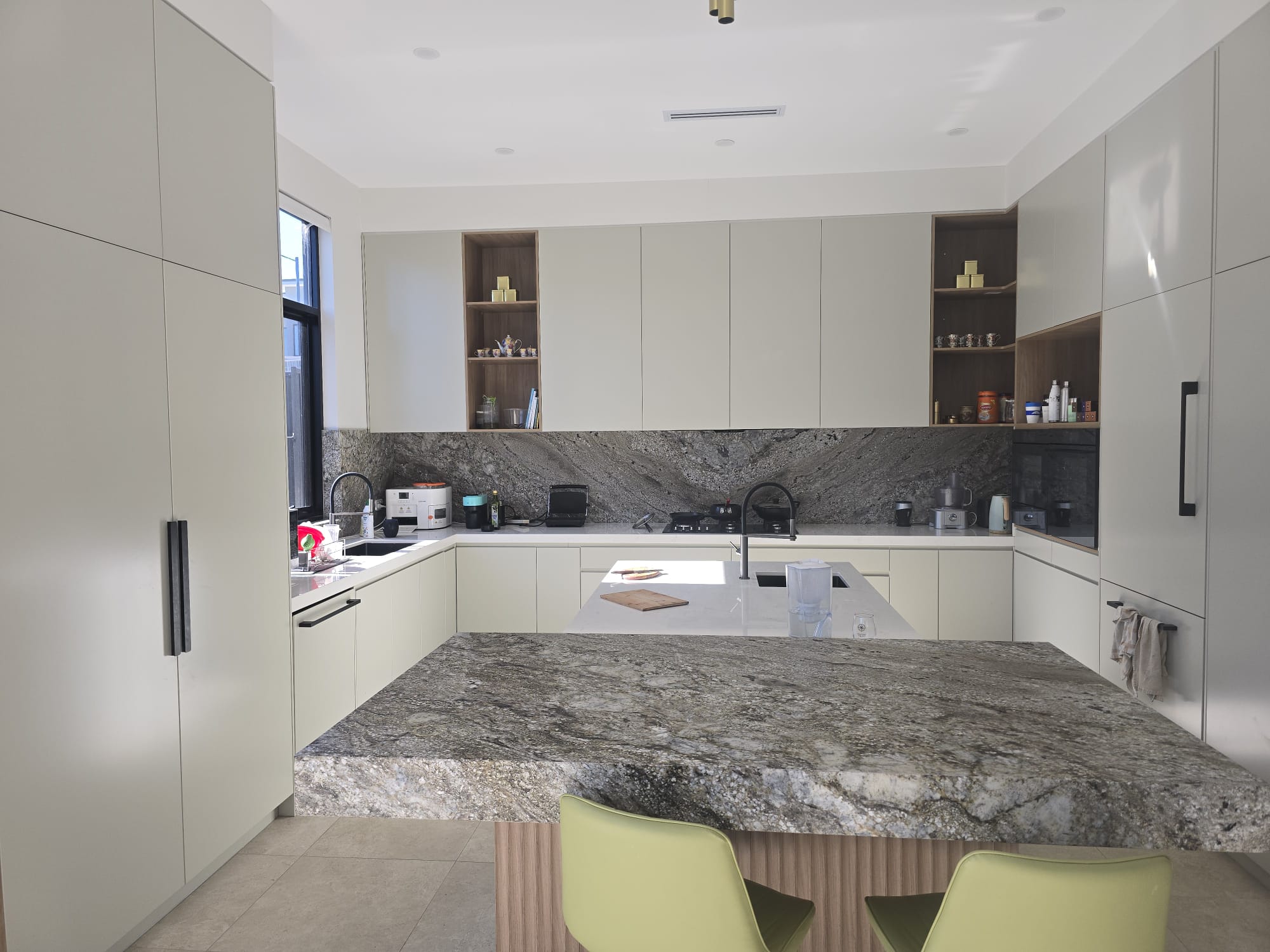
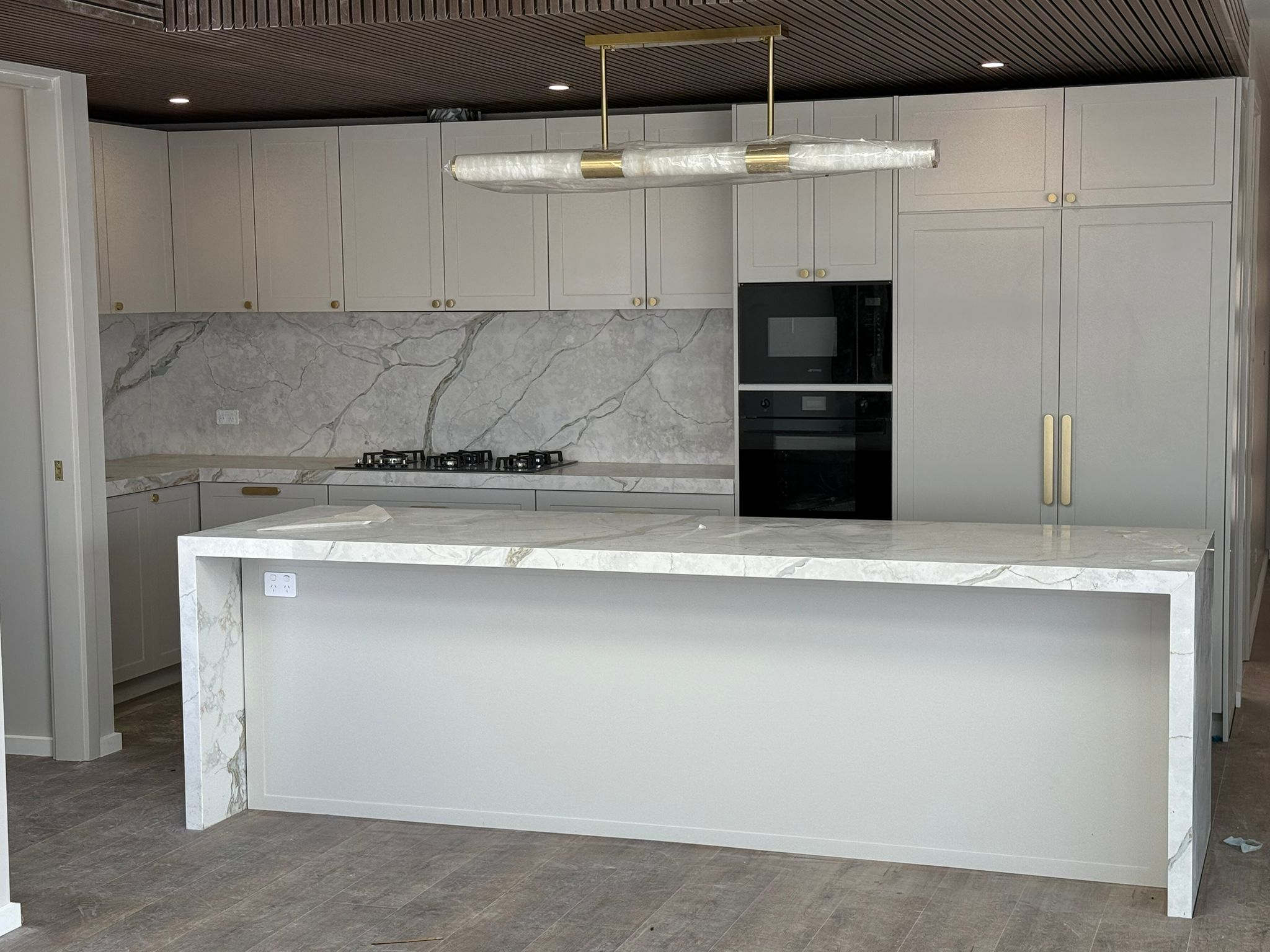
Kitchen Joinery
Kitchen cabinets experience daily use, heat, spills and frequent cleaning. Choose materials that offer durability and easy maintenance.
Consider:
- Moisture-resistant cabinet construction where appropriate.
- Durable laminate or quality finished surfaces.
- Scratch-resistant finishes for frequently used areas.
- Strong hardware and suitable drawer systems.
The right combination can help create a kitchen that looks attractive while remaining practical for everyday cooking.
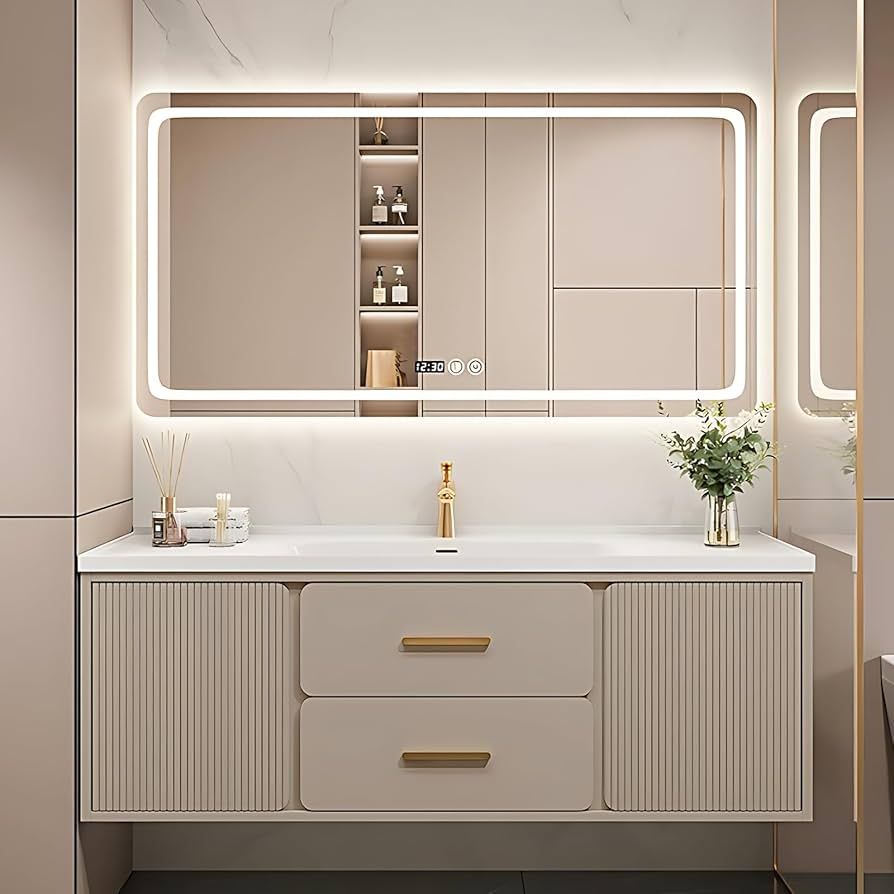
Bathroom Vanities
Bathrooms are exposed to moisture, humidity and temperature changes. Material selection is particularly important in these spaces.
Consider moisture-resistant board options, properly sealed edges and finishes designed for bathroom environments. Ensure the cabinet construction is suitable for its location and that plumbing access is considered during the design.
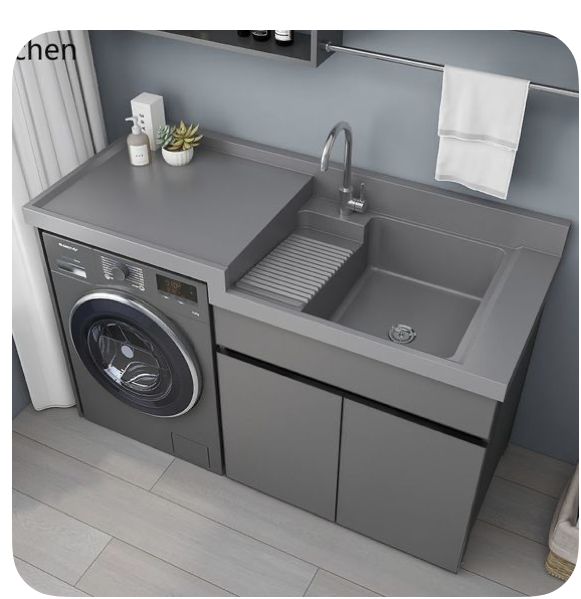
Laundry Cabinets
Laundry cabinetry needs to handle regular use, detergents and occasional water exposure.
Choose practical surfaces that are easy to clean and ensure exposed edges are protected. Well-designed storage can also make room for cleaning products, laundry baskets and everyday essentials.
Wardrobes and Home Offices
Bedrooms and home offices generally have different material requirements from kitchens and bathrooms.
MDF, particleboard with decorative finishes and selected timber products can all be suitable depending on the design, budget and expected use.
Focus on sturdy shelving, reliable hardware and finishes that complement the rest of your interior.
3. Consider Durability and Everyday Use
A beautiful finish is important, but your custom cabinetry should also withstand everyday activities.
Think about how frequently the cabinets will be used and what they need to store.
For example, kitchen drawers may need to support heavy cookware, while wardrobe shelving should accommodate clothing, accessories and storage boxes.
When comparing materials, consider:
- Resistance to scratches and everyday wear.
- Strength and load-bearing capacity.
- Moisture resistance.
- Ease of cleaning.
- Resistance to fading and surface damage.
- Expected maintenance requirements.
Choosing materials based on their intended use can help reduce future repairs and replacement costs.
4. Select the Right Surface Finish
The surface finish plays a major role in the final appearance of custom joinery. It also affects cleaning, maintenance and how well the cabinetry fits your interior design.
Popular options include:
Laminate: Available in numerous colours, patterns and textures. It is a practical choice for many kitchen, laundry and wardrobe applications.
Melamine: Commonly used for cabinet interiors and doors, offering a consistent decorative surface with relatively simple maintenance.
Painted finishes: Suitable for homeowners who want specific colours and a smooth, seamless appearance. The quality of preparation and coating is important.
Timber veneer: Provides the natural appearance of timber while using a manufactured substrate. It creates a warm, sophisticated finish.
Natural timber finishes: Highlight the character and grain of solid timber, making them suitable for feature elements and selected cabinetry.
Consider how the finish will look alongside your flooring, benchtops, wall colours and other interior features.
5. Balance Quality with Your Budget
Your budget will influence the materials available for your project, but choosing the cheapest option is not always the most economical decision over time.
Instead, consider where premium materials will make the greatest difference.
For example, you may prioritise durable finishes and stronger drawer systems in a busy kitchen while choosing more cost-effective decorative finishes for less frequently used storage areas.
Ask your joinery professional to explain the differences between material options, including their expected performance, maintenance needs and costs.
A well-planned combination of materials can help you achieve the desired appearance without unnecessarily increasing your renovation budget.
6. Think About Maintenance and Cleaning
Different materials require different levels of care. Before making your final selection, consider how much time you want to spend maintaining your cabinetry.
For busy households, low-maintenance laminate and melamine surfaces can be practical choices. Painted surfaces may require more care to avoid chips and scratches, while natural timber may need periodic maintenance depending on its finish.
Always follow the manufacturer’s cleaning recommendations. Avoid harsh chemicals and excessive moisture unless the surface is specifically designed to withstand them.
7. Consider Your Overall Interior Design
Custom joinery should complement the style of your home rather than look disconnected from the surrounding spaces.
Think about the colours, textures and finishes you want throughout your property.
For a contemporary interior, you might choose smooth cabinetry, neutral colours and minimalist hardware. For a warmer aesthetic, timber-look finishes or natural veneers can introduce texture and character.
If you’re renovating multiple rooms, coordinating materials across your kitchen, laundry, bathroom and wardrobes can create a more consistent interior appearance.
8. Work with an Experienced Joinery Professional
Choosing materials can be challenging without understanding how different products perform in real-world applications.
An experienced joinery professional can help you compare options based on your room layout, intended use, design preferences and budget.
They can also consider practical details such as cabinet construction, edge protection, hardware selection, installation requirements and finish compatibility.
At RIK Joinery, homeowners can explore tailored cabinetry and joinery solutions for kitchens, pantries, laundries, bathroom vanities, wardrobes, home offices and other living spaces.
Professional guidance can help ensure your material choices support both the appearance and functionality of your finished project.
Create Better Spaces with the Right Custom Joinery Materials
Choosing the right materials for custom joinery involves more than selecting attractive colours and finishes. You need to consider durability, moisture resistance, maintenance, functionality and budget.
From MDF and plywood to laminate, timber veneer and solid timber, every material offers different advantages. The best choice depends on where the cabinetry will be installed and how you plan to use it.
At RIK Joinery, we help Canberra homeowners create practical, stylish and carefully planned cabinetry solutions tailored to their spaces. Whether you’re upgrading one room or planning a larger renovation, the right material selection can make a lasting difference.
Ready to plan your custom joinery project? Contact RIK Joinery to discuss your ideas and explore cabinetry solutions designed around your home.