A modern kitchen should be more than a stylish part of your home. It should make everyday cooking, cleaning, storage and entertaining easier. The right modern kitchen features can improve how efficiently you use your space while creating a comfortable and organised environment.
Whether you are renovating an existing kitchen or planning a new one, functionality should be considered alongside appearance. A well-designed kitchen combines smart storage, practical layouts, quality cabinetry, suitable lighting and durable materials to create a space that works around your lifestyle.
For Canberra homeowners, working with a custom joinery company can also help ensure every part of the kitchen is designed to make the best use of the available space.
1. A Well-Planned Kitchen Layout
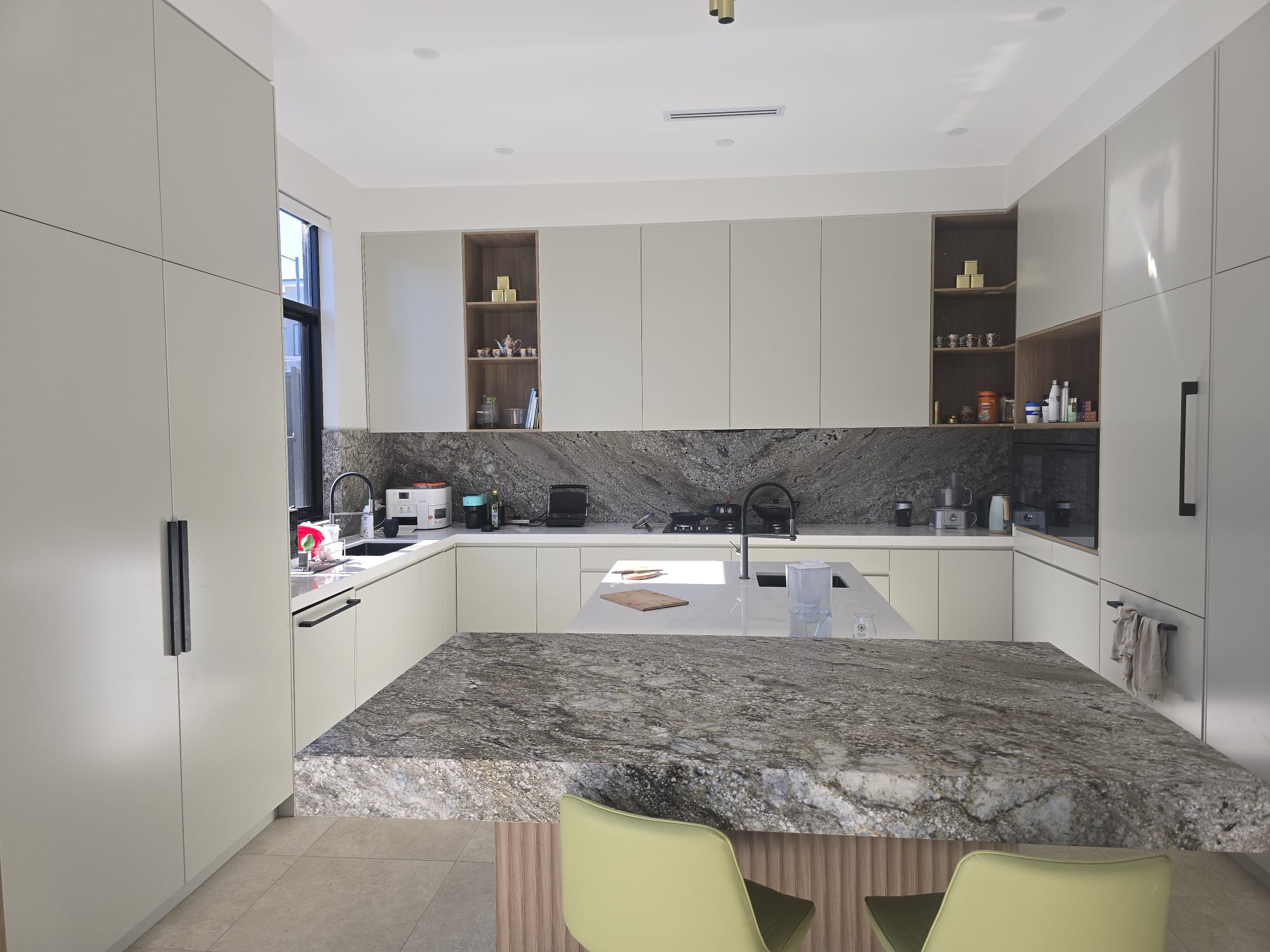
One of the most important elements of a functional kitchen is the layout. A good layout allows you to move easily between key areas such as the refrigerator, sink, cooktop and preparation zones.
Popular kitchen layouts include L-shaped, U-shaped, galley and open-plan designs. The best option depends on the size and shape of your room and how you use your kitchen.
A practical layout should provide:
- Easy movement between work areas
- Enough preparation space
- Convenient access to appliances
- Clear walkways
- Logical storage locations
Instead of simply following current design trends, consider how you actually prepare meals, store groceries and use the kitchen every day.
2. Smart Kitchen Storage Solutions
Storage is one of the biggest factors affecting kitchen functionality. A beautiful kitchen can quickly become frustrating if cupboards are difficult to access or there is not enough space for everyday items.
Modern kitchens can incorporate a variety of kitchen storage solutions, including pull-out pantry units, deep drawers, corner storage, overhead cabinets and dedicated appliance storage.
Custom cabinetry is particularly useful because storage can be designed around your specific requirements. For example, frequently used cookware can be positioned in easily accessible drawers, while less-used items can be stored higher up.
The goal is not simply to add more cabinets. It is to make every available centimetre useful.
3. A Practical Kitchen Island
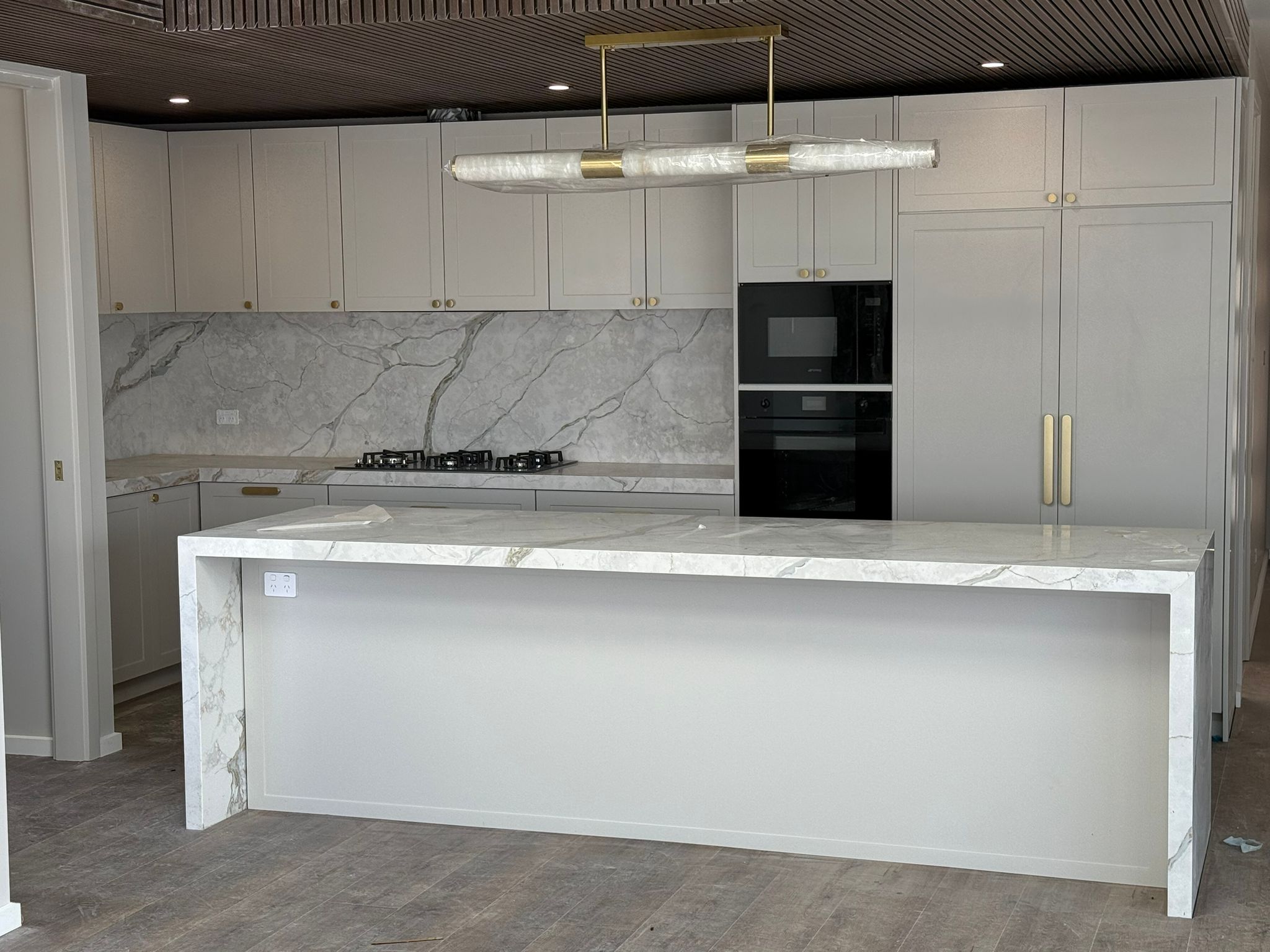
A kitchen island can become one of the most functional features in a modern kitchen. Depending on the available space, an island can provide additional bench space, storage, seating and even cooking or cleaning facilities.
A well-designed island can be used for:
- Food preparation
- Casual meals
- Additional drawers and cupboards
- Appliance placement
- Entertaining guests
However, an island should not make the kitchen feel crowded. Sufficient space should be left around it so doors, drawers and appliances can be opened comfortably.
4. Custom Kitchen Cabinetry
Standard cabinets do not always make the best use of an individual kitchen. Custom kitchen cabinetry allows storage and design elements to be tailored to the dimensions of your room.
Custom joinery can help incorporate features such as:
- Full-height cabinets
- Specialised drawers
- Pull-out storage
- Integrated appliances
- Custom pantry solutions
- Corner cabinets
- Open shelving
This approach can be particularly beneficial in kitchens with unusual layouts, limited space or specific storage requirements.
5. Integrated and Convenient Appliances
Modern kitchens often benefit from appliances being incorporated into the overall cabinetry design. Built-in ovens, integrated dishwashers and carefully positioned microwaves can create a streamlined appearance while improving convenience.
Appliance placement should also be considered from a practical perspective. Frequently used appliances should be easy to access without interfering with other kitchen activities.
For example, positioning the oven, refrigerator and preparation areas logically can reduce unnecessary movement while cooking.
6. Plenty of Usable Benchtop Space
Having enough preparation space is essential for a functional kitchen. Even a large kitchen can feel inconvenient if the available benchtop area is poorly positioned.
When planning your kitchen, consider where you are most likely to prepare food and whether there is enough room for chopping, mixing and placing small appliances.
A kitchen island can provide additional preparation space, while thoughtful cabinet design can help keep appliances organised and free up valuable bench space.
7. A Well-Designed Pantry
A pantry can dramatically improve kitchen organisation. Instead of storing food items across multiple cupboards, a dedicated pantry creates a central location for groceries and everyday supplies.
Modern pantry features can include adjustable shelving, pull-out baskets, narrow vertical storage and dedicated areas for different food categories.
For smaller kitchens, a pull-out pantry can be an excellent way to create additional storage without taking up excessive floor space.
8. Functional Kitchen Lighting
Lighting is another feature that can significantly affect kitchen functionality. A modern kitchen should ideally combine different types of lighting rather than relying on one central light.
Consider:
Ambient lighting: Provides general illumination throughout the room.
Task lighting: Helps illuminate areas where detailed work is performed, such as benchtops and cooking zones.
Accent lighting: Adds visual interest and can highlight cabinetry, shelving or architectural features.
Under-cabinet lighting can be especially useful because it provides additional illumination directly onto preparation areas.
9. Easy-to-Clean and Durable Materials
Kitchen surfaces experience regular exposure to spills, heat, moisture and everyday wear. Choosing durable and easy-to-maintain materials can make the kitchen more practical over time.
Consider finishes that are suitable for your household and easy to clean. Cabinet surfaces, benchtops and splashbacks should all be selected with both appearance and maintenance in mind.
A functional kitchen should look good but also be able to handle everyday use.
10. Ergonomic Kitchen Design
Ergonomics is about designing the kitchen around comfortable and efficient movement. Small details can make a noticeable difference to everyday use.
For example, frequently used items should be stored where they are easy to reach. Drawers can often provide easier access than deep cupboards, while carefully planned cabinet heights can reduce unnecessary bending or stretching.
An ergonomic kitchen can make cooking and cleaning more comfortable, particularly in households where the kitchen is used frequently.
11. Convenient Power Points and Technology
Modern kitchens often accommodate more electrical appliances than traditional kitchens. Coffee machines, toasters, blenders, mixers and other appliances all require convenient access to power.
Power points should therefore be considered during the design stage rather than added as an afterthought.
Modern kitchen design can also incorporate charging areas, appliance storage and other technology-friendly features while keeping cables and clutter under control.
12. Design the Kitchen Around Your Lifestyle
Ultimately, the most functional kitchen is one that suits the people using it.
A household that enjoys entertaining may benefit from a large island and generous preparation areas. A family may prioritise durable surfaces and extensive storage, while someone who enjoys cooking may need specialised storage for cookware and appliances.
This is why personalised design is so important. Your kitchen should reflect your cooking habits, storage needs, available space and lifestyle.
How Custom Joinery Can Improve Kitchen Functionality?
Custom joinery can bring all these features together into one cohesive design. Instead of trying to fit your lifestyle around standard cabinetry, a custom kitchen can be designed around the way you actually use your home.
At RIK Joinery, thoughtful design and practical functionality can work together to create kitchen spaces that are attractive, organised and suited to everyday living in Canberra.
From custom cabinets and pantry storage to kitchen islands and carefully planned layouts, the right joinery can help you make better use of your available space.
Conclusion
So, what features make a modern kitchen more functional? The answer goes beyond appearance. A functional kitchen combines an efficient layout, smart storage, practical cabinetry, sufficient benchtop space, suitable lighting, durable materials and convenient appliance placement.
The best kitchen design is one that makes everyday tasks easier while providing a comfortable and organised environment.
If you are planning a kitchen renovation or a new custom kitchen in Canberra, focusing on functionality from the beginning can help you create a space that continues to work for your household for years to come.